
What Happens During a Professional Roof Inspection
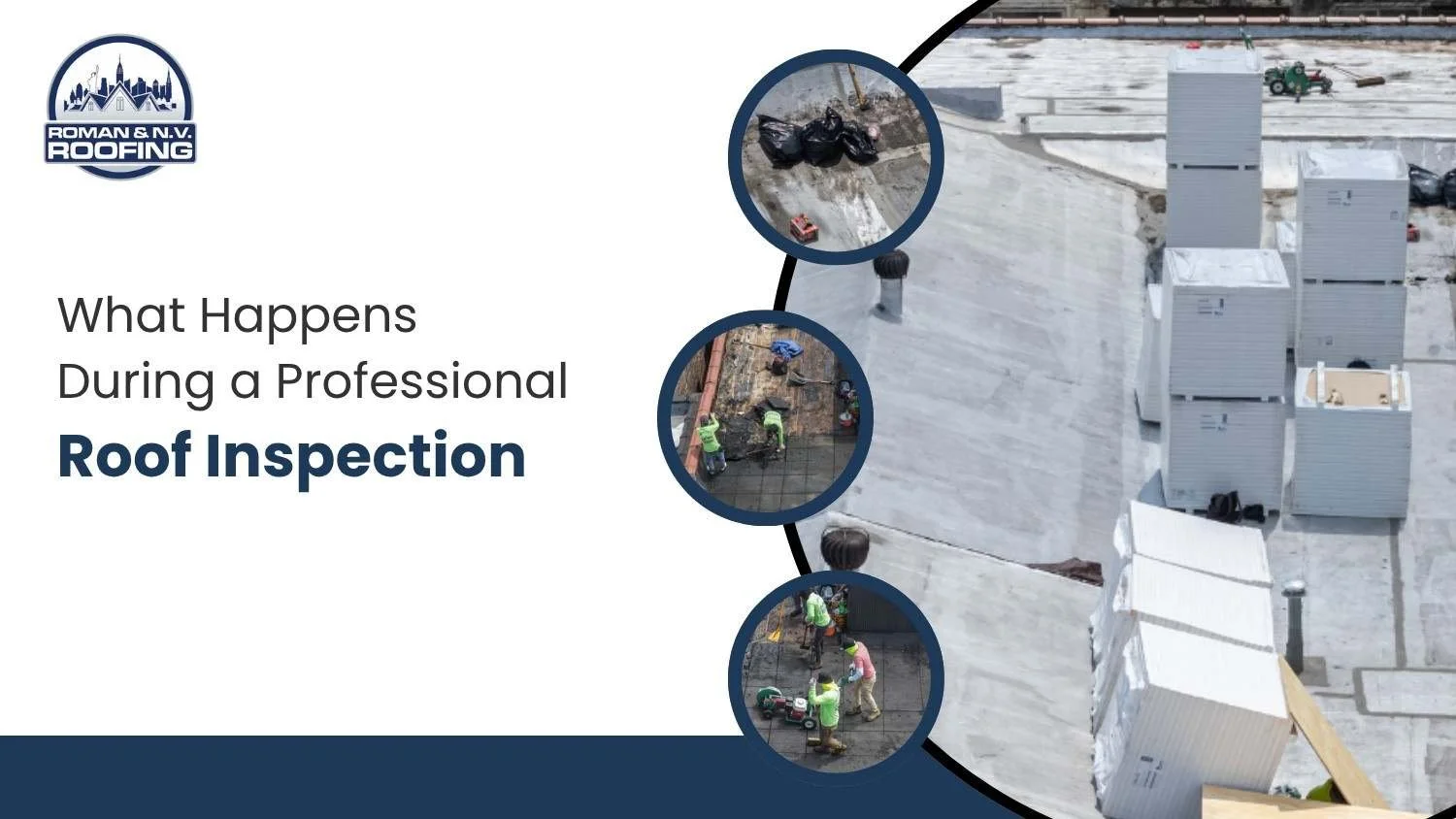
Booking a roof inspection for the first time comes with a small but real question mark. Someone is coming to walk around on top of your building, and it's fair to wonder what they're actually doing up there, how long it takes, and what you're supposed to get out of it afterward.
The short version is that a good roof inspection is a documented, structured walkthrough, not a quick glance and a handshake. Here's what actually happens from the moment the inspector arrives to the report that lands in your inbox.
Before anyone gets on the roof
A real inspection starts on the ground. The inspector usually asks a few questions first: any known leaks, recent repairs, water stains inside the building, or areas that concern you. This matters more than it sounds like it would, since interior clues often point straight to the source of a problem before anyone climbs a ladder.
From there, they'll check access points and confirm the roof is safe to walk, especially after storms or heavy snow, when ice or debris can make certain areas risky.
The physical walkthrough
Once on the roof, the inspection moves systematically rather than randomly. A thorough inspector typically covers:
The field of the roof. The main membrane or surface gets examined for cracking, blistering, shrinkage, or seams that have started to open.
Flashing and edges. Parapets, walls, and roof edges are common leak points, and flashing here gets checked closely.
Penetrations. Vents, HVAC curbs, skylights, and pipe boots are inspected individually, since each one is a potential entry point for water.
Drainage. Drains, scuppers, and gutters get checked for clogs, and the inspector notes any areas where water tends to pond.
General wear. Foot traffic patterns, granule loss, and surface aging are documented even where there's no active problem yet.
On a flat or low-slope roof specifically, drainage and seam condition tend to get extra attention, since those are usually where problems start.
Documenting what they find
A useful inspection produces evidence, not just an opinion. That means photos of anything noteworthy, notes on the location and severity of each issue, and enough detail that you or a future contractor could locate the exact spot being described. If moisture is suspected under the surface, some inspectors use a moisture meter or infrared scan to check without needing to open the roof up.
This documentation is what separates a real inspection from someone walking around and telling you it "looks fine." A roof can look fine from a distance while hiding real problems underneath.
What you should get afterward
Once the walkthrough is done, you should receive a written summary, not just a verbal recap. A solid report typically includes what was found, where it's located, how urgent it is, and what your options are for addressing it. If nothing significant was found, that's worth stating clearly too, along with a reasonable timeline for the next check-in.
If the inspector recommends repair or replacement, ask for the reasoning behind it. A trustworthy roofer explains what they saw and why it matters, rather than pushing straight to a recommendation without context.
What Brooklyn and New York weather adds to the mix
Local conditions shape what an inspector is specifically watching for. Freeze-thaw cycles through the winter can widen small cracks and lift flashing that looked fine in the fall. Summer heat stresses membranes and can accelerate blistering on flat roofs. And older buildings, including brownstones and rowhouses with shared parapet walls, often need extra attention at those wall junctions, since water there doesn't respect property lines. If you're trying to figure out how often this kind of check should happen for your building, our guide on how often you should inspect your roof in New York's weather breaks that down.
How long a typical inspection takes
Timing varies by roof size and complexity, but a straightforward residential or small commercial roof usually takes somewhere in the range of thirty minutes to an hour. Larger commercial or industrial roofs with more penetrations, equipment, and square footage naturally take longer, since there's simply more to walk and document.
Common questions
Do I need to be present during the inspection? Not necessarily, but it helps. Being there gives you a chance to point out specific concerns and ask questions on the spot rather than waiting for the report.
What if the inspector finds a problem but it's not urgent? A good report will say so directly. Not every finding calls for immediate action, and part of the value of an inspection is knowing what to monitor versus what to address right away.
Can an inspection tell me if I need a repair or a full replacement? It can point you in the right direction, but that decision usually depends on the full picture, including the roof's age and how widespread any issues are. The inspection is the starting point for that conversation, not always the final word.
The bottom line
A professional roof inspection is a structured process: a conversation about history, a systematic walkthrough of the field, flashing, penetrations, and drainage, clear documentation, and a written report you can actually act on. Knowing what to expect makes it much easier to get real value out of the visit instead of just checking a box.
If you're due for one, N.V. & Roman Commercial Roofing has been inspecting and maintaining roofs across Brooklyn and New York City since 1987. Get in touch to schedule a roof inspection for your property.
