
How Often Should You Inspect Your Roof in New York’s Weather?
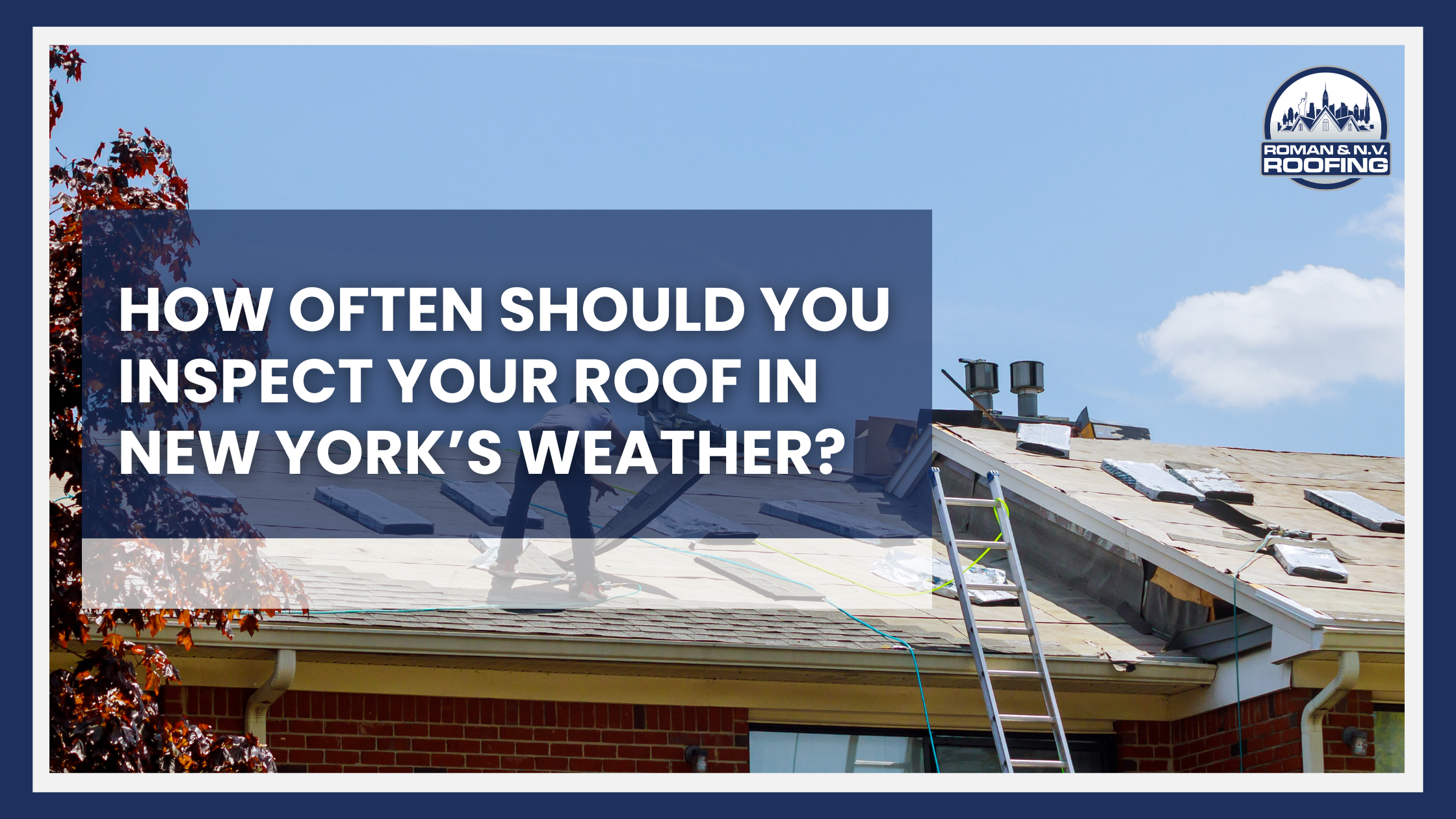
Knowing the roof inspection duration for your property is critical for Brooklyn homeowners and New York City property owners. Your roof is the first line of defense against harsh weather, and failing to inspect it regularly can lead to costly repairs, leaks, and even structural damage. Roofs are constantly exposed to extreme conditions, from the heavy snow and ice of winter to the pounding rain and heat of summer, and a small overlooked problem can quickly escalate into a major issue. Understanding the correct roof inspection timeline ensures that you catch minor problems before they become emergencies, protecting both your home and your financial investment.
Several years ago, a homeowner in Brooklyn assumed that glancing at the roof once a year would suffice. During a spring thunderstorm, water started dripping into multiple rooms, damaging ceilings, insulation, and personal belongings. The emergency repairs ended up being far more expensive than a planned inspection and proactive maintenance would have cost. This story is a common scenario in New York, where homeowners often underestimate the impact of the city’s weather patterns on their roofs.
Many property owners make the mistake of delaying inspections, only to discover that seemingly minor issues have led to widespread damage.
In this blog, you will learn exactly how often you should inspect your roof in New York’s climate, signs that indicate immediate inspection is needed, and practical steps to extend your roof’s life. By the end, you will have a complete understanding of the roof inspection timeline and actionable strategies to keep your property safe and durable.
Why Roof Inspections Are Critical in New York
The unique weather conditions in New York City make regular roof inspections essential. Snow and ice during winter can accumulate and create ice dams, which prevent proper water drainage and cause water to seep under shingles. Spring and summer storms bring heavy rain, hail, and high winds, which can loosen shingles, dent metal roofs, or compromise flat roofing membranes. Brooklyn’s urban environment, with falling debris, construction dust, and heat absorption from neighboring buildings, also accelerates wear and tear.
Regular inspections allow you to identify small issues before they become costly repairs. They also help you maintain energy efficiency by preventing water intrusion and insulation damage. Moreover, they ensure your roof remains safe, protecting occupants and property during the city’s most extreme weather events.
Recommended Roof Inspection Duration and Timeline
Understanding the optimal roof inspection duration involves a combination of scheduled checks and event-based inspections. The following schedule outlines best practices for maintaining a healthy roof:
1. Biannual Inspections (Spring and Fall)
Most roofing experts recommend inspecting your roof at least twice a year. Spring inspections follow the winter season to identify damage from snow and ice, while fall inspections prepare the roof for winter weather. These inspections help detect loose shingles, broken flashing, gutter blockages, and minor leaks before they worsen.
Action Steps for Biannual Inspections:
Conduct a thorough visual inspection of all roof areas, including shingles, flashing, gutters, valleys, and edges.
Check for signs of water intrusion inside the attic or ceilings.
Document any signs of wear, damage, or missing materials and schedule repairs promptly.
Ensure roof drainage systems are clear of debris to prevent water pooling.
2. Inspections After Major Weather Events
Beyond scheduled inspections, it is important to check your roof immediately after severe weather events such as:
Heavy storms with strong winds
Hail events that can dent or crack materials
Ice accumulation during winter storms
Unexpected flooding or debris impact
Action Steps After Weather Events:
Walk around the perimeter and safely inspect for visible damage.
Clear any debris such as tree branches, leaves, or construction materials.
Inspect flashing, seals, and roof edges for damage.
Schedule a professional assessment if the damage appears significant or widespread.
3. Annual Professional Roof Inspections
Even with diligent homeowner inspections, a professional roof inspection is critical once a year. Licensed roofing contractors bring the expertise and equipment to detect issues that may not be visible from the ground or to the untrained eye. Professionals can identify water intrusion, membrane deterioration on flat roofs, hidden leaks around chimneys and skylights, and flashing or sealant aging.
Action Steps for Professional Inspections:
Hire a licensed contractor familiar with New York’s building codes and roofing materials.
Request a detailed report on the roof’s condition, including any minor or major concerns.
Prioritize repairs based on urgency and long-term cost-effectiveness.
Incorporate professional recommendations into your annual maintenance schedule.
4. Roof Inspection Timeline Based on Material
Roofing material plays a key role in determining the appropriate roof inspection duration. Different materials age differently and face unique vulnerabilities.
Signs That Immediate Roof Inspection Is Needed
Even with a proper roof inspection timeline, certain signs indicate that immediate inspection is necessary:
1. Active Leaks or Dripping Water
Water entering your home indicates that your roof is compromised. Even minor leaks can damage insulation, ceilings, and structural supports over time.
Action Steps:
Document the leak locations and severity.
Apply temporary sealing if needed.
Schedule professional repair or replacement promptly.
2. Visible Damage After Storms
Storms can leave shingles missing, tiles cracked, or membranes blistered. Inspect the roof after any significant weather event to catch damage early.
Action Steps:
Remove debris such as branches or leaves.
Check flashing and roof joints for damage.
Schedule a professional evaluation for larger or widespread issues.
3. Ponding Water on Flat Roofs
Water that remains pooled on a flat roof for more than 48 hours can deteriorate membranes and accelerate leaks.
Action Steps:
Clear drains and gutters to improve water flow.
Consider temporary drainage solutions.
Schedule a structural inspection if ponding persists.
4. Sagging Roof Areas
Sagging indicates weakened roof decking or structural damage, which can lead to roof collapse if not addressed.
Action Steps:
Avoid walking on sagging areas to prevent injury.
Hire a professional to assess structural integrity.
Repair or replace compromised sections as soon as possible.
Maintenance Practices to Maximize Roof Lifespan
Following a proper roof inspection duration is only one part of roof care. Routine maintenance is crucial to prolong roof life:
Clean gutters regularly to prevent water backup.
Trim overhanging branches that can damage shingles or tiles.
Inspect the attic for moisture, mold, or damaged insulation.
Repair minor leaks immediately to prevent larger problems.
Ensure proper ventilation to reduce heat and moisture buildup.
Inspect flashing, sealants, and joints annually for cracks or deterioration.
When to Consider Roof Replacement
Sometimes inspections reveal that repairs are insufficient, and replacement is the more cost-effective solution. Indications include:
Multiple leaks despite repairs
Widespread granule loss or curling shingles
Sagging roof decking
Deteriorated flashing or membrane
Action Steps:
Evaluate the total cost of repeated repairs versus a full replacement.
Consult a professional roofing contractor to determine the best materials for your property.
Consider energy-efficient options to improve insulation and reduce costs.
Schedule replacement during a dry season for optimal installation conditions.
DIY vs Professional Roof Inspections
Homeowners can perform basic inspections safely, but professional inspections are essential for accurate assessment:
DIY Inspection:
Carefully walk the roof (safety first).
Look for obvious damage, leaks, or debris.
Check gutters, valleys, and downspouts.
Professional Inspection:
Uses advanced tools like infrared cameras, moisture meters, and drones.
Detects hidden leaks, membrane deterioration, and structural weaknesses.
Provides a comprehensive report for informed maintenance planning.
Benefits of Following a Regular Roof Inspection Timeline
Maintaining a consistent roof inspection duration offers multiple advantages:
Prevention of Major Repairs: Detect problems early before they escalate.
Extended Roof Lifespan: Timely maintenance keeps materials in optimal condition.
Energy Efficiency: Proper roof health protects insulation and reduces energy costs.
Safety and Structural Integrity: Protects occupants and property from leaks and damage.
Cost Savings: Scheduled inspections are more affordable than emergency repairs.
Conclusion
Following the correct roof inspection duration is essential for New York homeowners and property managers to protect their investments. By adhering to a well-structured roof inspection timeline, monitoring for leaks, sagging areas, ponding water, and material wear, property owners can extend roof lifespan, maintain energy efficiency, and prevent costly emergency repairs. Regular inspections, combined with proactive maintenance, ensure that your roof continues to provide safety, comfort, and protection for years to come.
If you want peace of mind about your roof and its condition, schedule a professional inspection today. Visit Roman Commercial Roofing now to get expert guidance and ensure your New York property stays safe and durable.
FAQs
1. How often should I schedule a roof inspection in New York?
Schedule inspections at least twice a year, in spring and fall, and after major storms to maintain proper roof inspection duration.
2. Does roof material affect inspection frequency?
Yes, asphalt, flat membranes, metal, slate, and synthetic roofs have different roof inspection timelines and maintenance requirements.
3. Can I inspect my roof myself?
Homeowners can do basic checks, but professional inspections ensure hidden damage is detected and addressed correctly.
4. Which weather events require immediate roof inspection?
Heavy storms, hail, snow accumulation, and ice dams all require inspections outside the regular roof inspection timeline.
5. How does regular inspection extend roof lifespan?
Routine inspections identify minor issues before they escalate, prevent leaks, maintain insulation, and reduce emergency repair costs.
