
Roof Repair vs Roof Replacement in Brooklyn: Which One Do You Need?
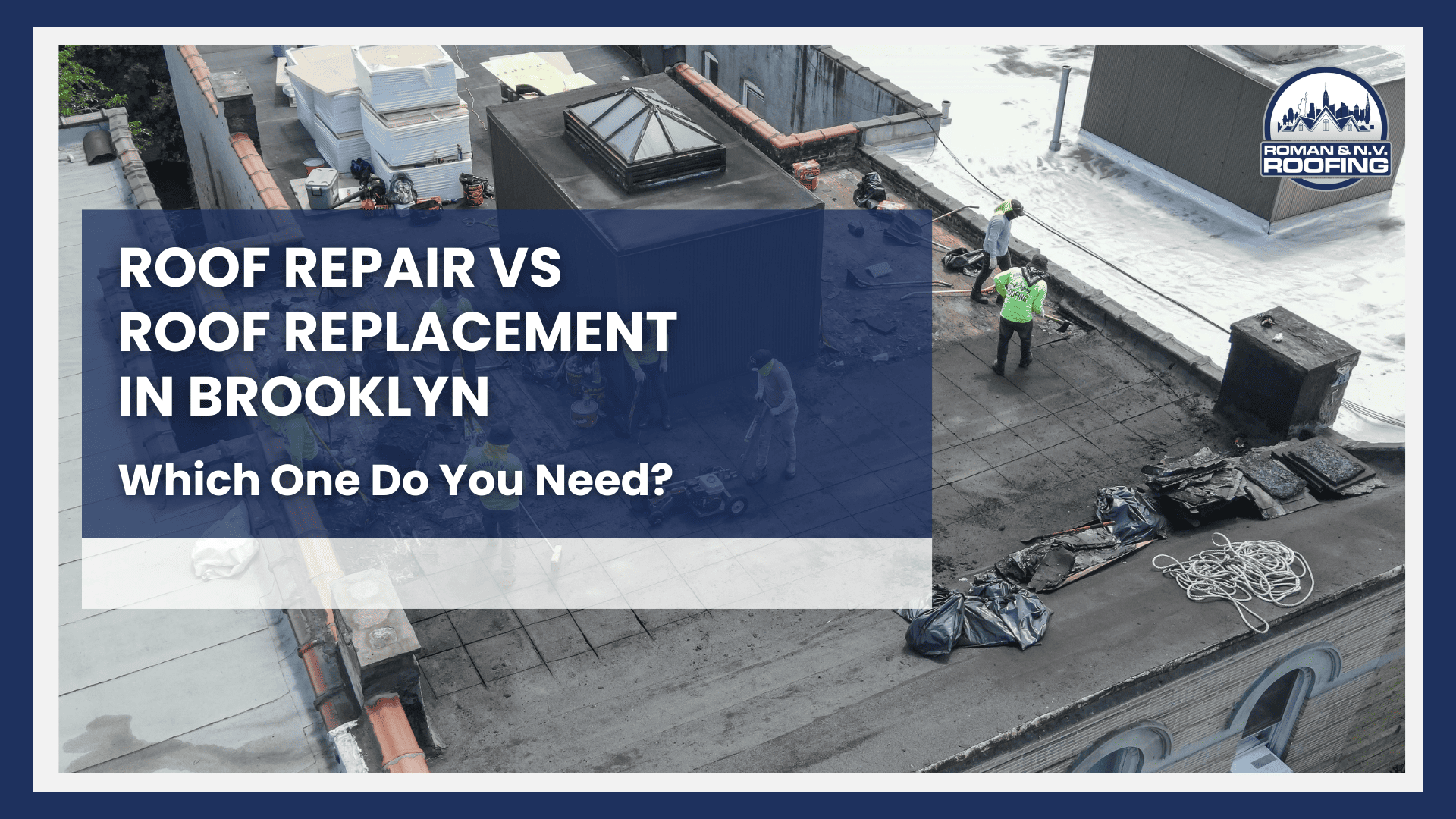
When it comes to protecting your home or business, knowing the difference between roof repair vs replacement in Brooklyn is critical. Your roof is one of your most valuable assets, shielding your property from weather damage, energy loss, and structural decay. The decision between repairing a damaged roof and fully replacing it isn’t always straightforward, and choosing the wrong approach can lead to recurring issues, escalating costs, and potential safety hazards.
Years ago, a Brooklyn homeowner waited too long to address small leaks on a century-old brownstone. Initially, patching seemed like the cheaper solution, but within months, additional leaks appeared, shingles deteriorated, and structural damage began to form beneath the surface. By the time a professional was called, a full roof replacement was unavoidable and significantly more expensive than early intervention would have been.
Many homeowners make the mistake of focusing solely on cost, without evaluating the long-term consequences. Understanding the roof repair vs replacement in Brooklyn will help you make informed decisions and protect your investment.
In this blog, you will learn exactly what differentiates a roof repair from a replacement, signs that indicate which option is best, and step-by-step guidance to ensure your roof lasts decades. By the end, you will know precisely whether your property needs a repair or a replacement.
Understanding Roof Repair in Brooklyn
Roof repair involves fixing specific issues without replacing the entire roof system. Repairs are ideal when the damage is localized, minor, or caught early. Common repairs include patching leaks, replacing a few damaged shingles, fixing flashing, or addressing minor water damage.
Signs Your Roof Needs Repair
Small leaks or water stains in the attic or ceilings
Missing or cracked shingles
Loose or damaged flashing
Minor ponding on flat roofs
Localized hail or storm damage
Action Steps for Roof Repair:
Identify the exact source of the leak or damage.
Replace damaged shingles or tiles with matching materials.
Repair flashing and seals around chimneys, vents, and skylights.
Apply sealants for small cracks and minor water intrusion.
Schedule follow-up inspections to ensure the repair holds.
Repair is usually faster, less expensive upfront, and ideal for roofs that are otherwise in good condition. However, repeated repairs may indicate that a full replacement is more cost-effective in the long run.
Understanding Roof Replacement in Brooklyn
Roof replacement involves removing the existing roof system and installing a new one. This is often necessary for aging roofs, extensive damage, or when repairs would not address underlying structural issues. Replacements ensure long-term protection, improved energy efficiency, and peace of mind.
Signs Your Roof Needs Replacement
Widespread shingle damage or curling
Persistent leaks despite multiple repairs
Roof deck sagging or structural compromise
Aging roof beyond expected lifespan (typically 20–25 years for asphalt shingles)
Severe storm or hail damage affecting large portions of the roof
Action Steps for Roof Replacement:
Schedule a professional roof inspection to assess damage and lifespan.
Choose materials based on durability, energy efficiency, and Materials for Brooklyn Homes suitability.
Plan for full removal or overlay depending on local codes and roof structure.
Install new underlayment, flashing, and roofing materials with precision.
Schedule final inspection to ensure long-term performance and warranty compliance.
Replacing a roof is more expensive upfront but eliminates recurring repairs, improves home value, and ensures complete protection.
Factors Influencing Your Decision
1. Roof Age and Condition
Older roofs with multiple repairs may benefit more from replacement. A roof that has lasted 20–25 years, especially asphalt shingles, may be near the end of its lifespan. Repairing it repeatedly is often less cost-effective than installing a new system.
2. Extent of Damage
Localized damage → Repair
Widespread deterioration → Replacement
A professional inspection can identify hidden damage beneath shingles, membrane, or flashing that may not be obvious.
3. Material Type and Suitability
Different Materials for Brooklyn Homes have varying lifespans and repair potential:
Asphalt Shingles: Repairable for minor issues; replacement after 20–25 years
Flat Membranes (TPO, EPDM, PVC): Often repairable in sections; replacement for full deck issues
Metal: Highly durable; repair possible for minor dents or loose fasteners
Slate / Tile: Fragile but long-lasting; repair individual tiles, replacement rarely needed unless structural support is compromised
4. Cost Considerations
Repairs are cheaper initially, but repeated repairs add up. Replacement has a higher upfront cost but provides predictable maintenance costs for decades. Consider long-term financial planning when deciding.
Materials for Brooklyn Homes
Selecting the right materials is critical when choosing replacement or repair. Brooklyn’s unique architecture, historic brownstones, modern high-rises, and multi-family buildings demand careful selection of roofing materials for durability, aesthetics, and compliance with local regulations.
Key Options:
Asphalt Shingles: Affordable, versatile, ideal for most residential homes
Flat Roof Membranes: Durable for commercial and multi-family buildings
Metal Roofing: Long-lasting, resistant to storms, energy-efficient
Slate or Tile: Preserves historic architecture, long-lasting with proper maintenance
Rubber / Synthetic: Flexible, water-resistant, suitable for flat roofs
Action Steps:
Match repair materials to existing roof for consistency.
For replacements, choose materials that balance durability, energy efficiency, and budget.
Consider future maintenance costs when selecting materials.
Steps to Make the Right Choice Between Repair and Replacement
Schedule a professional roof inspection to assess overall condition.
Document all existing damage, leaks, and wear areas.
Evaluate roof age and remaining lifespan of materials.
Compare cost of multiple repairs vs replacement investment.
Consider property type, architectural style, and Materials for Brooklyn Homes suitability.
Factor in energy efficiency, insurance considerations, and long-term protection.
Make a decision prioritizing long-term durability, safety, and cost-effectiveness.
DIY vs Professional Assessment
While homeowners can spot obvious leaks or damaged shingles, only a professional roofer can:
Identify hidden structural issues
Evaluate underlayment and flashing integrity
Recommend proper materials for repair or replacement
Ensure work complies with New York City building codes
Conclusion: Which One Do You Need?
Choosing between roof repair vs replacement in Brooklyn depends on roof age, damage extent, material type, and long-term costs. If your roof has minor leaks or localized damage, repairs are a cost-effective solution. However, if the roof is aging, has widespread damage, or recurring issues, a full replacement is the smarter investment. Replacement ensures long-term protection, energy efficiency, and peace of mind.
Regular inspections and maintenance combined with the right materials for Brooklyn homes will extend your roof’s life and save money over time. Proper planning and professional guidance ensure your home or business is protected from New York’s extreme weather conditions.
If your roof is showing multiple signs of wear or recurring leaks, schedule a professional inspection immediately. Visit Roman Commercial Roofing to get expert guidance and ensure your Brooklyn property is safe, durable, and well-protected.
FAQs
1. How do I know if my roof needs repair or replacement?
A professional inspection will determine if damage is localized (repair) or widespread/aging (replacement).
2. Can repairs extend the life of an older roof?
Yes, repairs can delay replacement temporarily, but multiple issues may indicate a full replacement is more cost-effective.
3. What materials are best for Brooklyn homes?
Asphalt shingles, metal, flat membranes, slate, and rubber/synthetic options are all suitable depending on building type and roof design.
4. Is replacement more expensive than repeated repairs?
Replacement is higher upfront, but repeated repairs can exceed replacement costs over time while ensuring better durability.
5. Can I mix repair and replacement on the same roof?
Yes, localized repairs are possible while planning a phased replacement if budget or scheduling is a concern.
