
Best Roofing Materials for Brooklyn Homes (Flat vs Pitched Roofs)
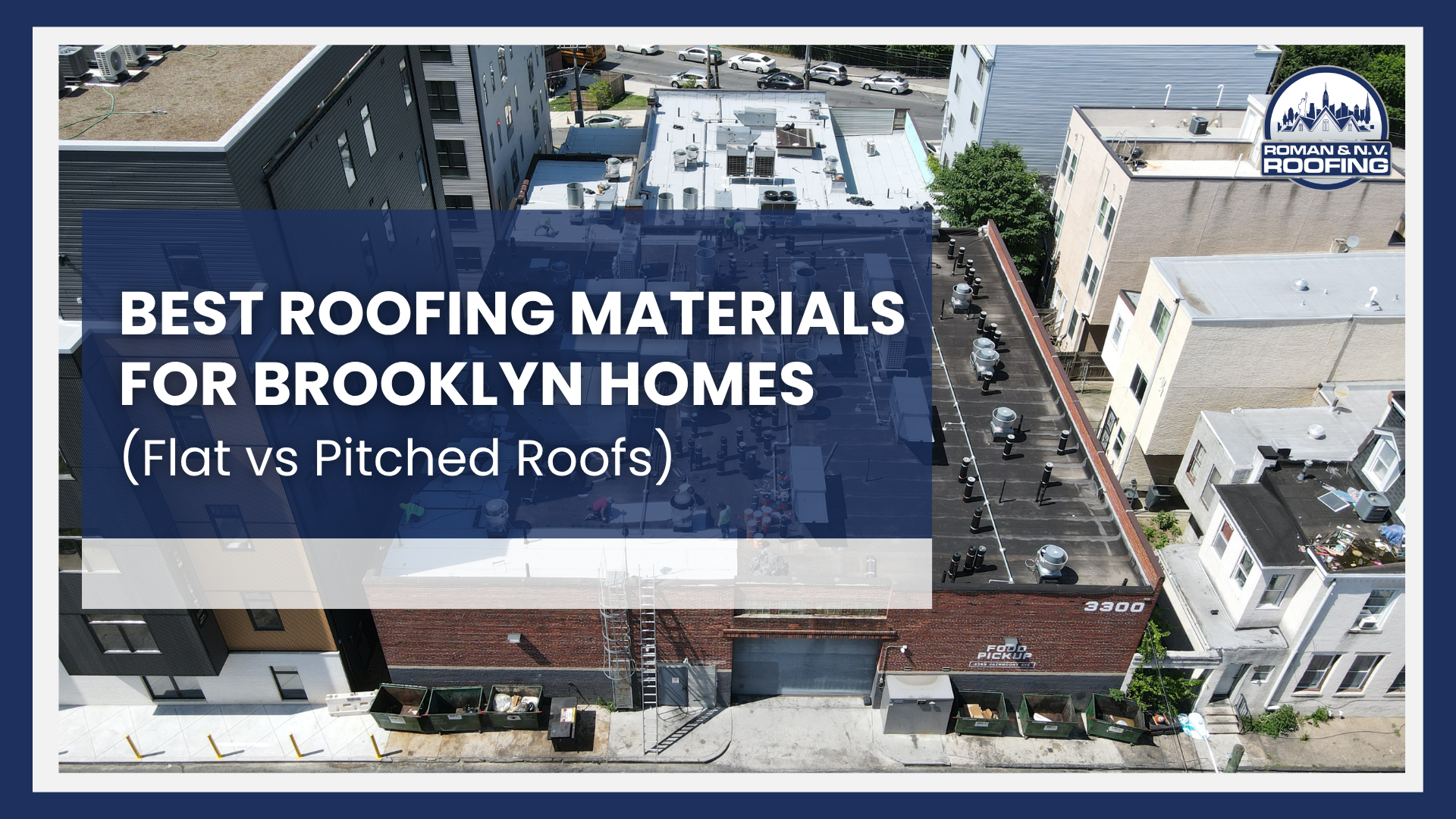
A persistent, damp ceiling stain is rarely just a cosmetic annoyance; it’s a warning flare from your property that your current defense is failing. Most Brooklyn owners scramble for a quick fix, never realizing that the materials holding their home together are actually the ones inviting the next disaster. Why do some roofs survive brutal NYC winters while others buckle under the first sign of pressure? The difference isn't just luck; it’s about matching the best roofing material Brooklyn experts swear by to the specific physics of your structure. Whether you are navigating the unique drainage challenges of a flat roof Brooklyn property or trying to preserve the character of a peaked design, one wrong move can turn a simple repair into a total replacement nightmare. It’s time to stop treating your roof like a mystery and start making decisions that actually defend your investment from the ground up.
Local Climate Demands Specific Protection
Selecting the best roofing material Brooklyn buildings starts with acknowledging our city’s aggressive weather patterns. Winters here freeze and thaw materials rapidly, while summers bake surfaces under intense solar exposure. A roof in this borough must handle significant moisture and wind force without fail. Owners frequently find that standard options marketed nationally do not survive the unique salt air and thermal fluctuations of our area. Investing in the best roofing material Brooklyn offers means prioritizing components engineered specifically to withstand these punishing cycles. When you ignore local conditions, you invite moisture intrusion and costly structural rot. Making a smart choice today ensures your top cover functions as intended, shielding your investment from the harsh reality of urban exposure. Quality selection is the barrier between a dry home and expensive maintenance calls.
Structural Geometry Dictates System Needs
Flat roof Brooklyn configurations operate on different physics than their sloped counterparts. These horizontal platforms require high-grade membranes to prevent ponding water from seeping into the building. Professionals often suggest modified bitumen or TPO systems because they form a tight seal against moisture. While a flat roof Brooklyn design saves space, it demands absolute attention to drainage paths and seam integrity to avoid saturation.
A pitched roof relies on gravity to move rain and snow away from the structure quickly. Asphalt shingles or metal sheets work well here, provided they possess the right wind ratings for our coastal gusts. Because these designs shed water naturally, they face fewer issues with standing puddles. Understanding these mechanical differences prevents the mistake of choosing a product meant for a steep slope on a terrace surface.
Choosing the best roofing material Brooklyn homes need depends entirely on these geometry-based performance needs. A system performing well on a suburban home might struggle on a crowded city townhouse. Always evaluate your slope before purchasing hardware. By aligning your material choice with your specific roof geometry, you guarantee a more durable shield for your property.
Material Performance Across Building Types
Modified Bitumen: Ideal for a flat roof Brooklyn property, this multi-ply material resists thermal expansion and contraction cycles common in our area.
TPO Membranes: These light-colored sheets reflect intense summer heat, helping keep your building interior cooler while providing a solid barrier against leaks.
Architectural Shingles: Perfect for pitched roofs, these heavy-duty tiles provide superior wind protection compared to standard three-tab versions.
Standing Seam Metal: A premium choice for pitched designs, these panels offer high longevity and fire resistance for historic or modern townhouses.
Using the best roofing material Brooklyn residents prefer involves balancing upfront costs with long-term survival. For flat surfaces, synthetic rubber options provide flexibility that prevents cracking during temperature drops. If you own a pitched house, heavy-weight shingles offer an aesthetic appeal combined with wind-tearing resistance. Each material brings specific characteristics to the table, and identifying your needs allows you to ignore sales pitches for products that will fail within a few years.
Managing Complex Environmental Hazards
The Mechanics of Water Shedding
Managing water flow represents the biggest hurdle for any rooftop. A flat roof Brooklyn setup must move water to drains immediately; otherwise, the weight and saturation will weaken the decking. Proper slope tapering, even on flat surfaces, ensures that gravity works in your favor. When water cannot exit, it attacks seams and flashings with relentless pressure.
Identifying Potential Leak Paths
Leaks rarely appear directly above where you see the stain on your ceiling. Water travels along rafters or insulation before finding a point to drip. A professional inspection of your flashings, vents, and roof edges usually reveals the entry point. The best roofing material Brooklyn owners use will provide little benefit if the surrounding flashings are faulty.
Selecting Proper Ventilation
Pitched roofs need airflow to prevent heat buildup and ice dam formation. Without attic ventilation, heat trapped under the surface warps materials and shortens their lifespan. Proper intake and exhaust vents maintain a balanced temperature, keeping the roof deck rigid and dry throughout the changing seasons.
Why Quality Standards Determine Longevity
Many property owners hunt for the cheapest installation quote, yet this approach often backfires within five years. True protection comes from choosing the best roofing material Brooklyn pros utilize, paired with certified installation techniques. High-quality membranes and shingles contain additives that prevent sun damage and brittle fractures. When you invest in premium products, you reduce the frequency of patching and full-scale replacement projects. A cheap material will likely degrade under our city’s smog and acid rain, requiring constant intervention. Focus on performance specs rather than just the initial price tag. By using the best roofing material Brooklyn businesses rely on, you effectively lock out moisture and extend the functional life of your entire building envelope. This strategy guards your budget against the chaos of emergency repair costs.
Proactive Maintenance Strategies
Establishing a routine inspection schedule acts as the primary defense against unexpected failure. Owners who monitor their surfaces every six months identify small tears or missing granules before these issues grow. Even the best roofing material Brooklyn houses can carry will struggle if left unmonitored for years. A simple visual check, especially after heavy wind events, helps keep the entire system intact.
Clear all debris from gutters and roof drains twice yearly.
Check roof edges for signs of lifting or wind damage.
Inspect vent pipes and chimney flashings for tight seals.
Remove tree limbs that hang directly over the roof surface.
Maintenance routines prevent minor gaps from becoming major headaches. When you treat your roof as a critical asset, you stop damage from spreading deep into your walls or ceilings. The best roofing material Brooklyn experts install requires only basic attention to maintain its integrity, ensuring your property value stays high. Proper care turns a once-a-decade expense into a manageable piece of your annual property care plan. Staying proactive saves your ceiling and your wallet. As you weigh these options for your own flat roof Brooklyn structure or pitched home, remember that the right material is the first step toward lasting peace of mind. Choosing the best roofing material Brooklyn pros recommend is the smartest move any local property owner can make to secure their building.
Final Thoughts
Your home’s endurance depends entirely on the technical integrity of the barrier you choose to keep the elements at bay. Many owners realize too late that settling for average components is a direct path to recurring moisture headaches and structural decline. When you identify the best roofing material Brooklyn buildings, you effectively lock out the risks of our harsh coastal wind and extreme temperature shifts. Whether you are managing a classic pitched design or the specific gravity demands of a flat roof Brooklyn property, your decisions today dictate your future comfort. Investing in professional, high-grade solutions ensures your building remains a fortress against the unpredictable city air. Take control of your property’s safety now, and let Roman Commercial Roofing provide the expert defense your home deserves to stay dry and secure.
Don't gamble with your property's safety while hidden leaks rot your structure from the inside out. Reach out to Roman Commercial Roofing now to get your professional assessment and stop the damage before it forces a massive, unwanted bill.
Frequently Asked Questions (FAQs)
1. How do I know when my roof needs professional attention?
Visible curling shingles, interior water spots, or consistent debris buildup are clear warnings that your roof protection is starting to fail.
2. Why does a flat roof Brooklyn building need specialized membranes?
These structures lack the natural slope of pitched designs, requiring high-grade, ponding-resistant materials to keep water out of your building.
3. Can the best roofing material Brooklyn pros suggest save me money?
Premium, locally-appropriate materials significantly lower your long-term maintenance costs by preventing the premature decay typical of cheaper, lower-rated options.
4. What impacts the total cost of a new roof installation?
Your final price is shaped by the square footage, the selected material grade, the underlying deck condition, and the necessary safety compliance measures.
5. Why is proper ventilation vital for my pitched roof?
Adequate airflow prevents heat and moisture from trapped in air, which can cause early material degradation and damaging ice formation in winter.
