
Signs Your Roof Needs Repair in Brooklyn
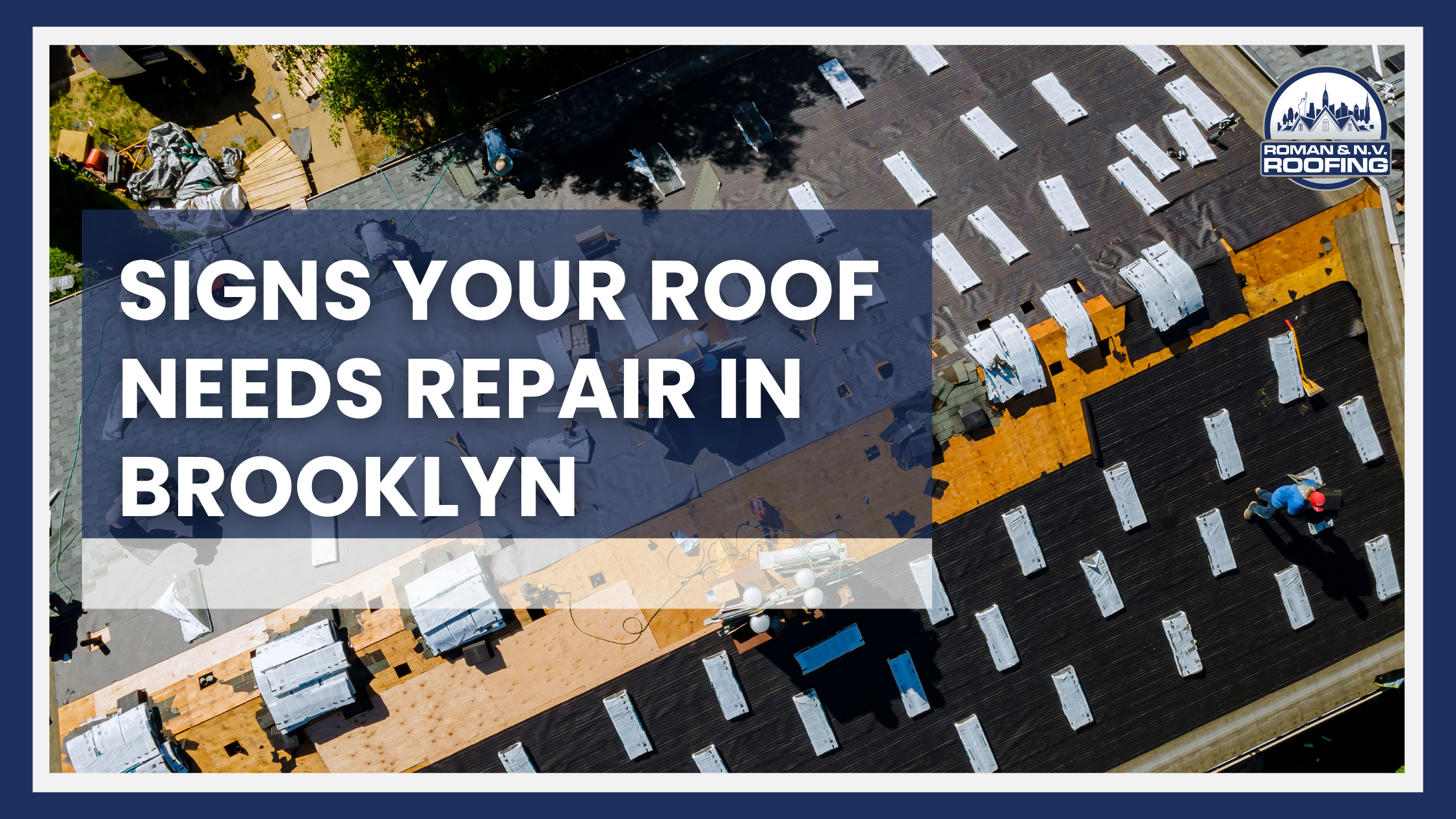
Roof repair signs are often subtle, but recognizing them early can save thousands in repairs and prevent structural damage. A failing roof doesn’t always scream for attention; it quietly weakens your property, leaving you vulnerable to leaks, insulation damage, and long-term deterioration.
Years ago, a Brooklyn homeowner noticed tiny water stains on his living room ceiling but assumed it was minor condensation. Weeks later, heavy rain revealed that the leak had traveled through insulation, compromising the ceiling and walls. The repair cost skyrocketed because the problem was ignored for too long.
Most roof problems do not start as emergencies. They escalate silently, turning small, manageable issues into costly disasters.
In this blog, you will learn the most critical roof repair signs, why they happen, and what you must do immediately for each. By the end, you will have a full, actionable roadmap to protect your Brooklyn property and extend your roof’s lifespan. Let’s discuss common signs.
1. Interior Water Stains and Discoloration
Water stains are one of the most obvious roof repair signs. They often appear as brown or yellow patches on ceilings or walls. These stains indicate moisture has penetrated your roof and reached the interior. Even minor stains can signal underlying leaks that threaten insulation and structural integrity.
Water can travel along insulation and decking before appearing indoors, meaning damage may be more extensive than it looks. Ignoring stains allows mold growth, wood rot, and worsening leaks.
What To Do:
Conduct an attic or roof interior inspection to locate moisture sources
Identify the exact spot of leakage on the roof
Schedule a professional roof inspection to assess damage.
Repair leaks promptly to prevent mold and structural damage
Track recurring stains to ensure repairs are effective
2. Active Leaks During or After Rain
Leaks are direct indicators of roof failure. Even a small drip signals that the roofing material, flashing, or membrane has been compromised. Leaks often originate at roof seams, around vents, skylights, or chimneys.
During rainfall, pay attention to dripping or water pooling in attics or near ceilings. Left untreated, leaks can damage electrical systems, insulation, and interiors.
Action Steps:
Document when and where leaks occur for repair records
Inspect flashing and seals around roof penetrations.
Clear debris from gutters to improve drainage
Apply temporary patches if immediate repair is needed
Schedule permanent professional repair to ensure durability.
3. Bubbling, Blistering, or Raised Areas on Flat Roofs
For flat roofs, bubbling or blistering occurs when air or moisture gets trapped under the roofing membrane. Blisters appear as raised areas and can eventually crack, allowing water intrusion.
These are common in Brooklyn’s flat roof buildings, especially where ponding water occurs, or membranes are exposed to temperature extremes.
Action Steps:
Identify all blistered or raised areas.
Avoid walking on blisters to prevent rupture.
Inspect the membrane beneath for moisture intrusion.
Schedule a professional roof repair or partial replacement.
Monitor for new blister formation.
4. Cracked, Split, or Missing Shingles
Cracks and splits in shingles are key roof repair signs, often caused by expansion and contraction from temperature changes. Missing or broken shingles leave the underlying roof exposed to moisture and wind damage.
Action Steps:
Inspect all roof surfaces, especially edges and valleys.
Replace damaged or missing shingles promptly.
Apply sealant to minor cracks temporarily.
Check for signs of water damage beneath the shingles.
Schedule a full inspection if multiple shingles are damaged.
5. Ponding Water or Poor Drainage
Standing water is a serious roof repair sign, particularly on flat or low-slope roofs. Water that does not drain within 48 hours increases membrane deterioration and may seep into insulation.
Ponding can also indicate structural sagging or blocked drains, both of which accelerate roof failure.
Action Steps:
Clear debris from drains and scuppers.
Inspect the roof slope and structure for sagging.
Add additional drainage solutions if needed.
Schedule a professional assessment to prevent long-term damage.
Monitor ponding areas after storms.
6. Sagging or Uneven Roof Areas
Sagging areas are critical warning signs of structural compromise. They often indicate water damage to decking or joists. Even minor unevenness can compromise roof integrity and safety.
Ignoring sagging can lead to partial collapse or emergency replacement.
Action Steps:
Mark sagging areas and avoid foot traffic.
Inspect decking and supports for water damage.
Schedule a professional structural assessment.
Repair or replace compromised sections promptly.
Conduct routine checks after storms or snow accumulation.
7. Damaged or Loose Flashing
Flashing seals roof penetrations and edges. Loose, cracked, or corroded flashing is one of the most common roof repair signs, often causing leaks. In Brooklyn, seasonal changes and storms exacerbate flashing failure.
Action Steps:
Inspect flashing along all roof junctions.
Re-secure loose flashing or replace damaged sections.
Apply waterproof sealant to minor cracks.
Schedule a professional replacement for severely damaged flashing.
Conduct regular seasonal inspections.
8. Granule Loss or Surface Wear on Asphalt Shingles
Granule loss exposes the roof’s surface to UV rays, accelerating aging. Bald spots on shingles or granules collecting in gutters are early roof repair signs indicating that shingles are losing protection.
Action Steps:
Inspect roof surfaces and gutters for granule accumulation.
Apply protective coatings to worn areas if minor.
Replace severely damaged shingles.
Schedule routine inspections to track wear progression.
9. Rising Energy Bills Without Clear Cause
Unexpected spikes in heating or cooling costs may indicate compromised insulation caused by roof damage. Wet or compressed insulation loses effectiveness, increasing energy costs.
Action Steps:
Inspect attic insulation for moisture or compression.
Identify leaks contributing to insulation issues.
Repair roof leaks promptly.
Replace damaged insulation.
Monitor energy use after repairs to ensure efficiency.
10. Mold or Musty Odors Indoors
Persistent mold or musty smells are roof repair signs that water intrusion has been ongoing. Mold growth is hazardous to health and indicates that the roofing waterproofing has been compromised.
Action Steps:
Identify and eliminate the moisture source
Remediate mold professionally
Repair roof leaks
Dry or replace water-damaged insulation
Schedule regular inspections to prevent recurrence
Conclusion
Recognizing roof repair signs early is crucial for Brooklyn property owners. From interior water stains to sagging areas and granule loss, each sign provides insight into your roof’s condition. Addressing these issues promptly not only prevents costly emergency repairs but also extends your roof’s lifespan, improves energy efficiency, and safeguards your property.
A proactive approach to roof maintenance ensures your home or commercial building remains protected, comfortable, and investment-ready for years to come.
If you notice any of these roof repair signs, don’t wait; schedule a professional inspection immediately. Visit Roman Commercial Roofing today to get expert guidance and protect your Brooklyn property with confidence.
FAQs
How early can roof repair signs appear before a major failure?
Roof repair signs often appear months or even years before failure, usually as minor leaks, stains, or surface wear that quietly worsen over time.
Are roof repair signs different for Brooklyn row homes and flat roofs?
Yes, flat roofs commonly show blistering and ponding water, while pitched row homes often reveal shingle damage and flashing failure.
Can small roof issues really cause structural damage?
Even small leaks can travel through insulation and decking, leading to rot, mold growth, and compromised structural supports.
How often should a Brooklyn property owner inspect for roof repair signs?
Roofs should be inspected at least twice a year and after major storms to catch early warning signs before damage escalates.
Is a professional inspection necessary if the roof damage looks minor?
Yes, visible damage often understates the problem, since moisture and material failure frequently spread beyond what the eye can see.
